A self-guided stroll

A walk through Raleigh

From Victorian Oakwood to the cul-de-sacs of North Raleigh, every era of the city's houses asks for a different kind of remodel.
Historic Oakwood, Raleigh

Stop I · 1870s – 1910s

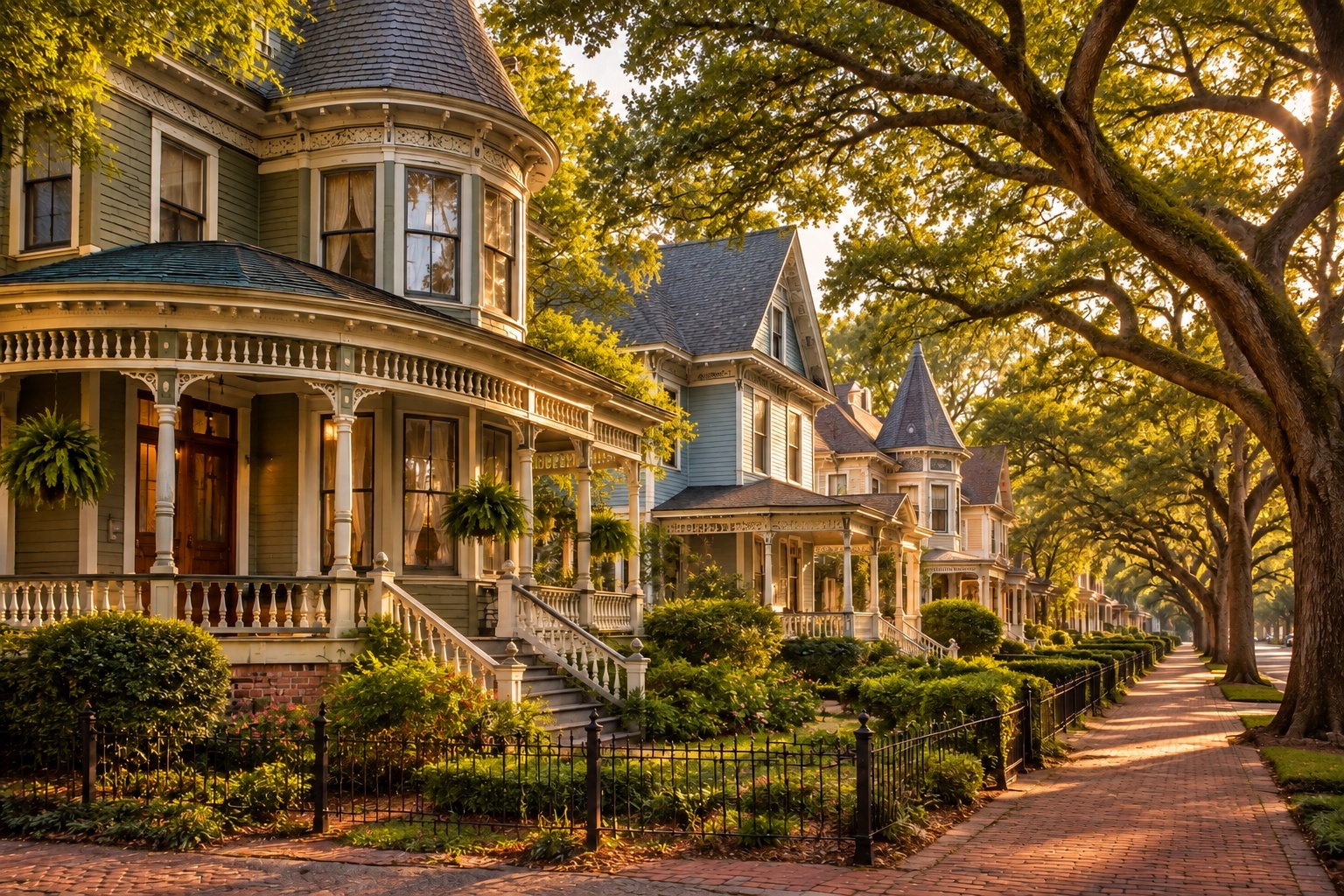
Historic Oakwood

Queen Anne & Second Empire Victorians

Begin on Oakwood Avenue under willow oaks older than most of the houses. This is Raleigh's oldest intact 19th-century neighborhood, a local historic district since the 1970s.

Typical remodels here

Kitchens tucked into rear additions, bathrooms carved from closets, and porch restorations. Any exterior change visible from the street goes through the Raleigh Historic Development Commission.
Boylan Heights, Raleigh

Stop II · 1907 – 1930s

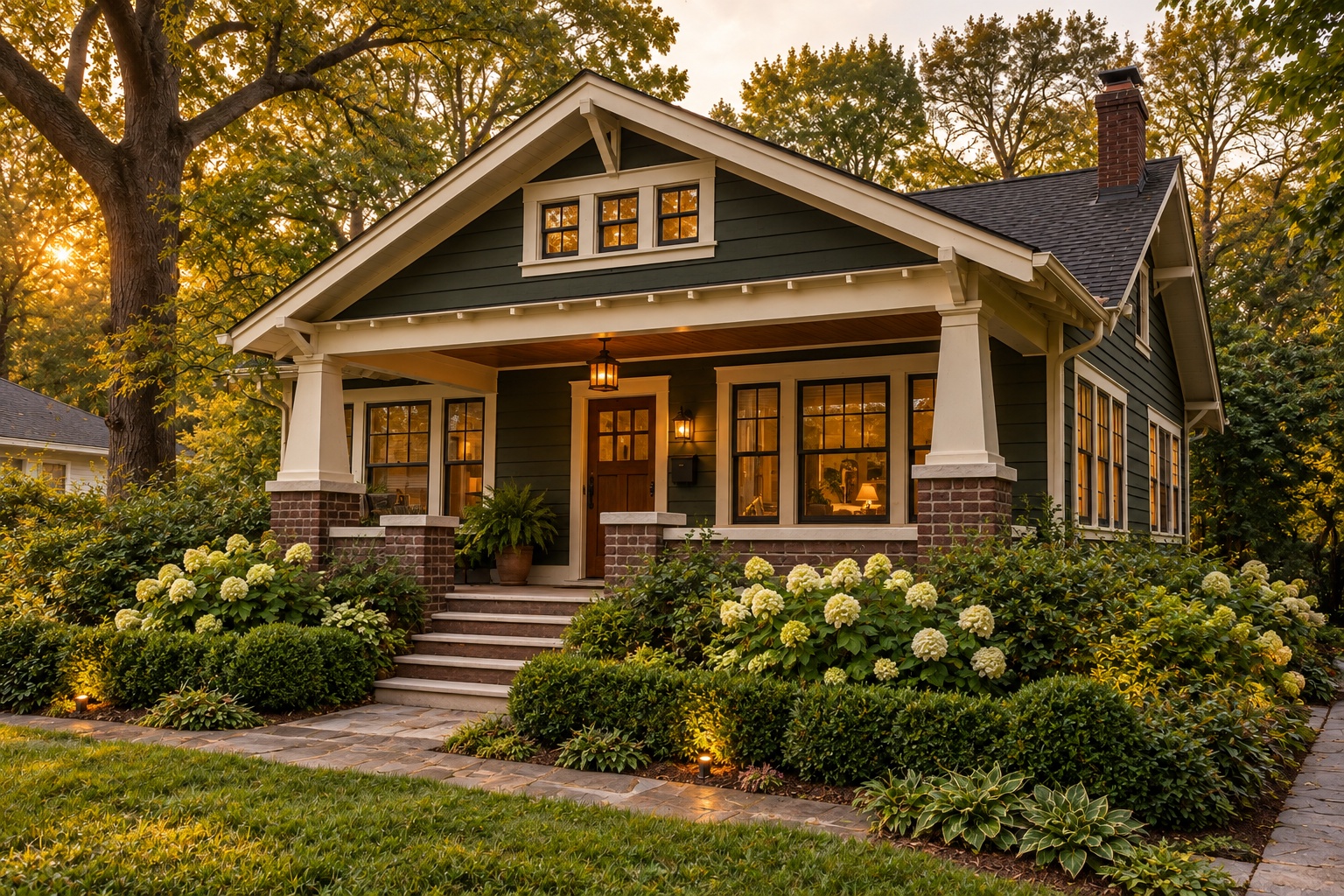
Boylan Heights

Craftsman bungalows & Foursquares

Cross toward the old Boylan plantation hill, laid out as one of Raleigh's first planned suburbs. Deep porches, tapered columns and a view of downtown at the top of Boylan Avenue.

Typical remodels here

Whole-home renovations: new systems, insulated envelopes, and rear additions that stay quiet from the street.

Hayes Barton & Five Points, Raleigh

Stop III · 1920s – 1940s

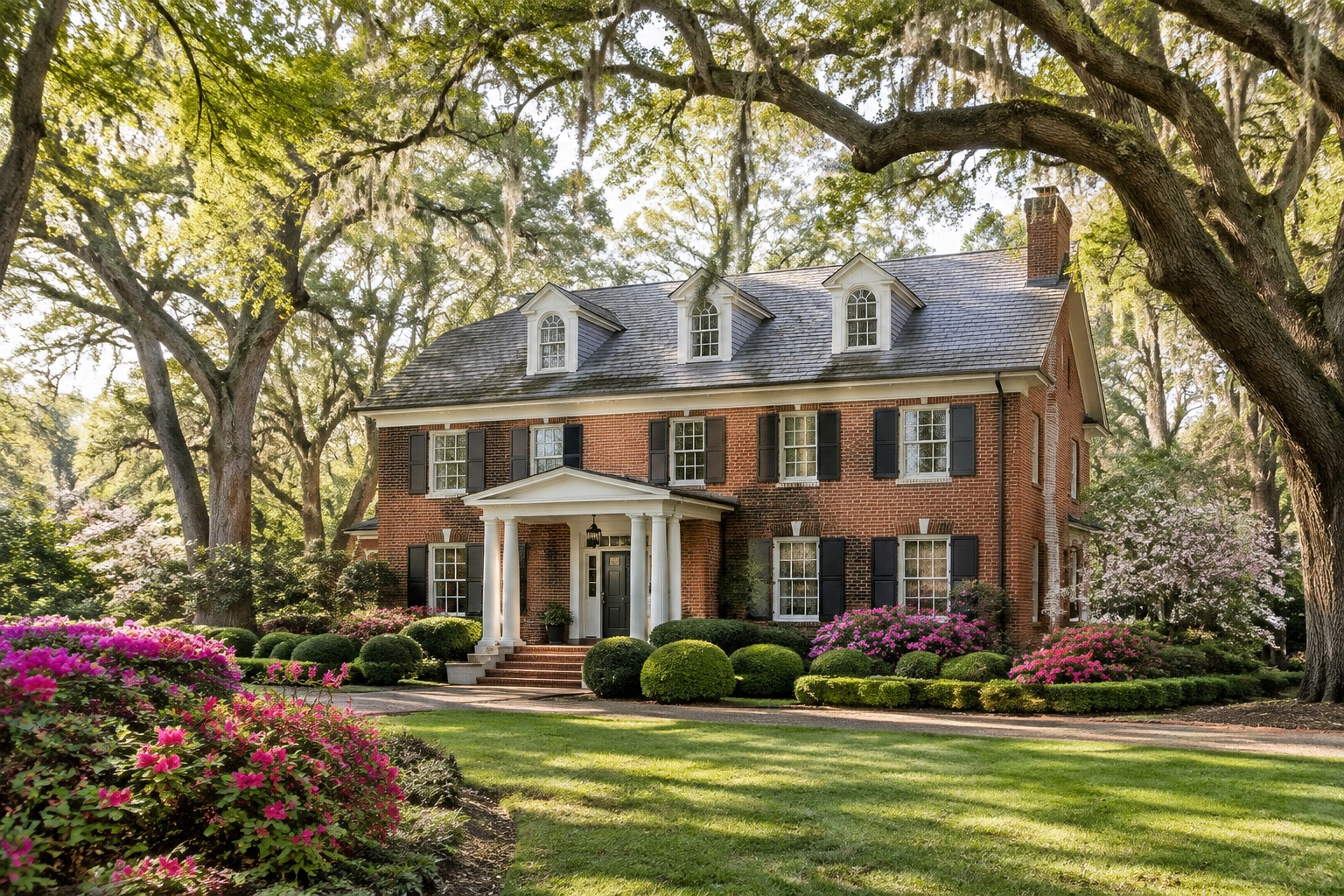
Hayes Barton & Five Points

Colonial Revival, Tudor & cottages

Drift north to Glenwood Avenue and the Five Points intersection. Brick Colonials with slate roofs and azaleas define the most coveted streets inside the Beltline.

Typical remodels here

Opening formal floor plans, primary suites over garages, and restoring heart pine and plaster rather than replacing them.

Cameron Park & the Village, Raleigh

Stop IV · 1910s – 1950s

Cameron Park & the Village

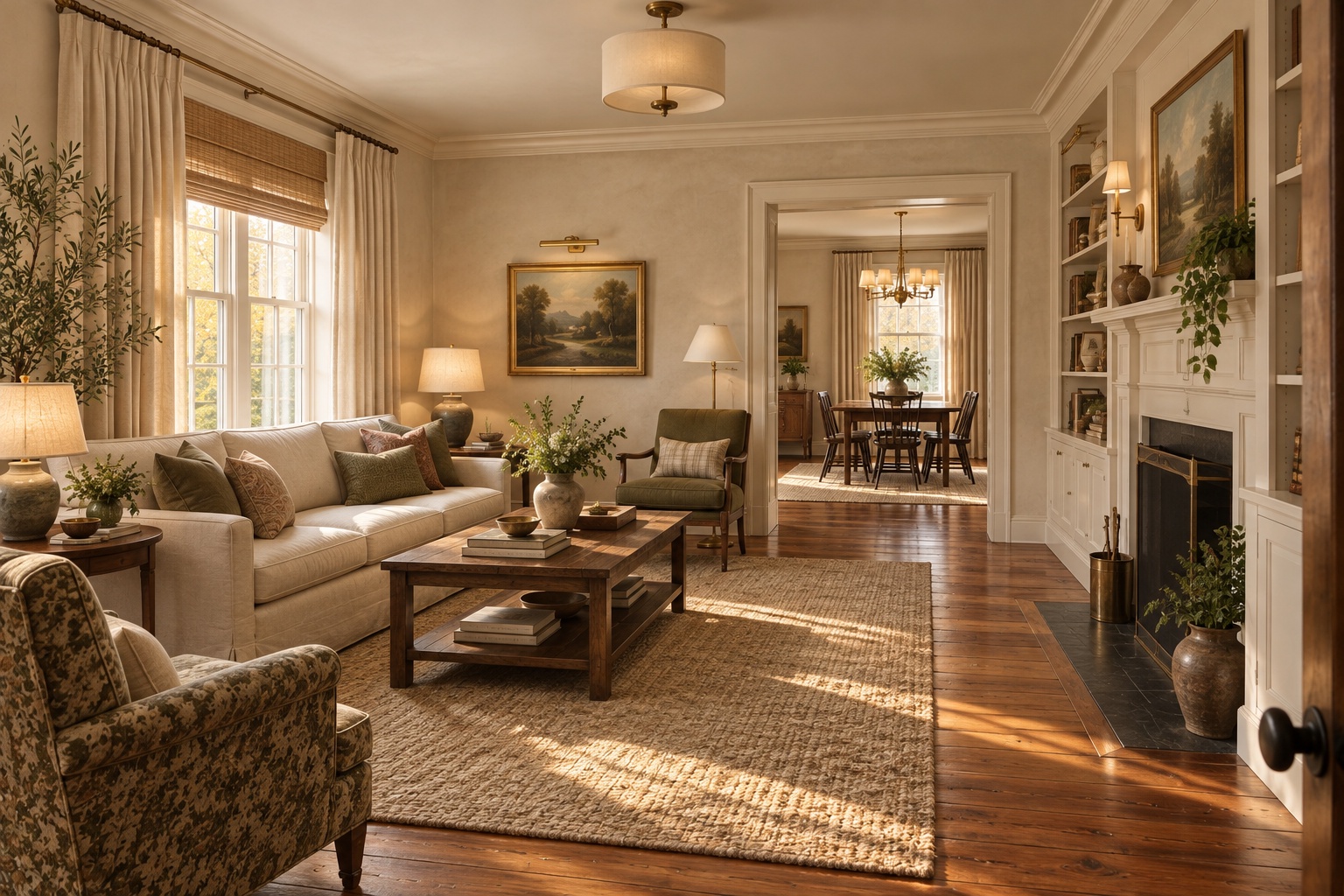
Bungalows to postwar cottages

Wander past Cameron Village — one of the Southeast's first shopping centers, opened in 1949 — and the small postwar homes built around it.

Typical remodels here

Living-room transformations: removing paneling, widening openings, and modest additions that double usable space.

North Hills & Lakewood, Raleigh

Stop V · 1950s – 1970s

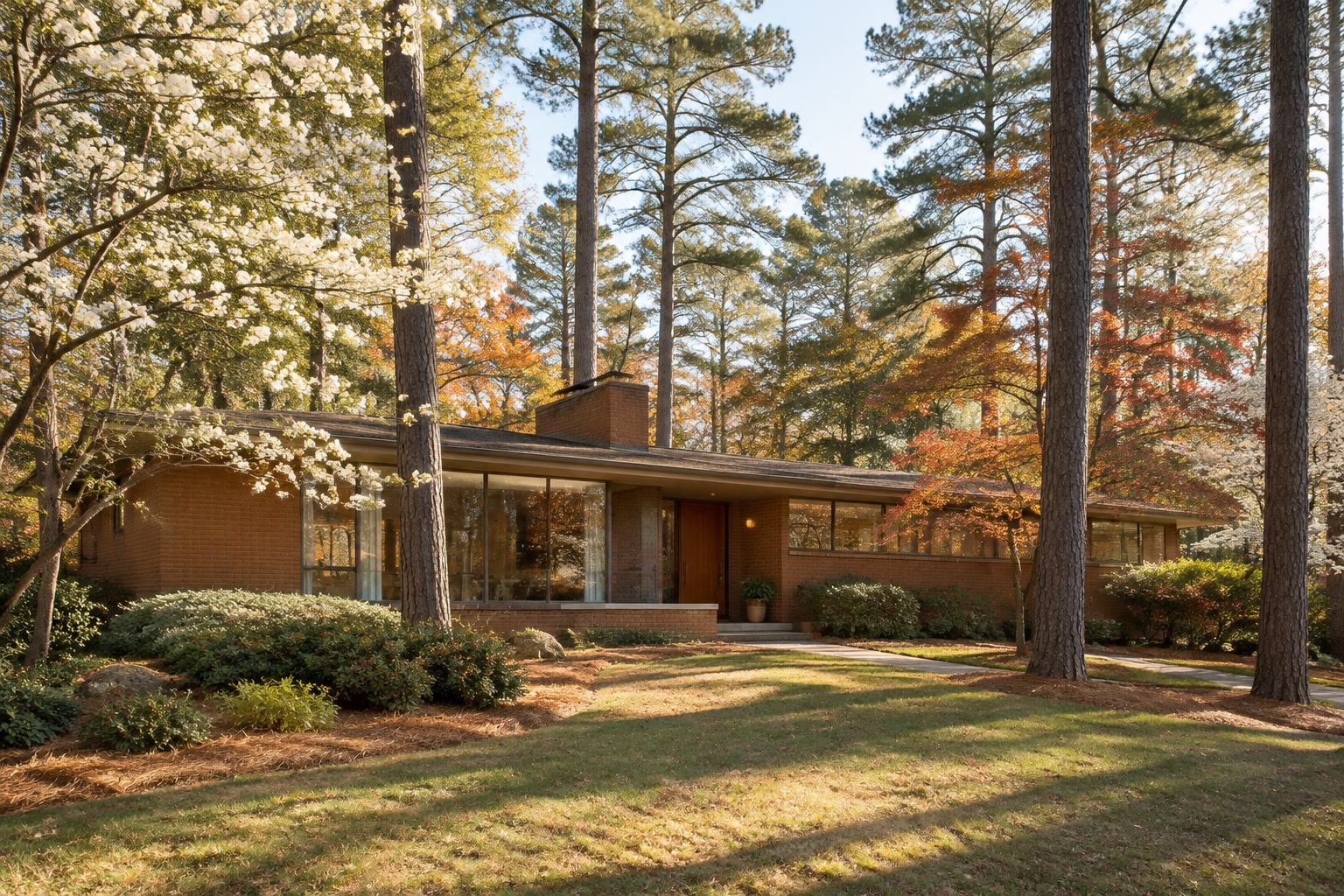
North Hills & Lakewood

Mid-century ranches & split-levels

Beyond the Beltline, streets curve around pine-shaded lots. Low brick ranches and split-levels were Raleigh's postwar boom, built as the Research Triangle took shape.

Typical remodels here

Open-concept kitchens, vaulted ceilings, and the mid-century character buyers now actively seek.

North Raleigh, Raleigh

Stop VI · 1980s – 2000s

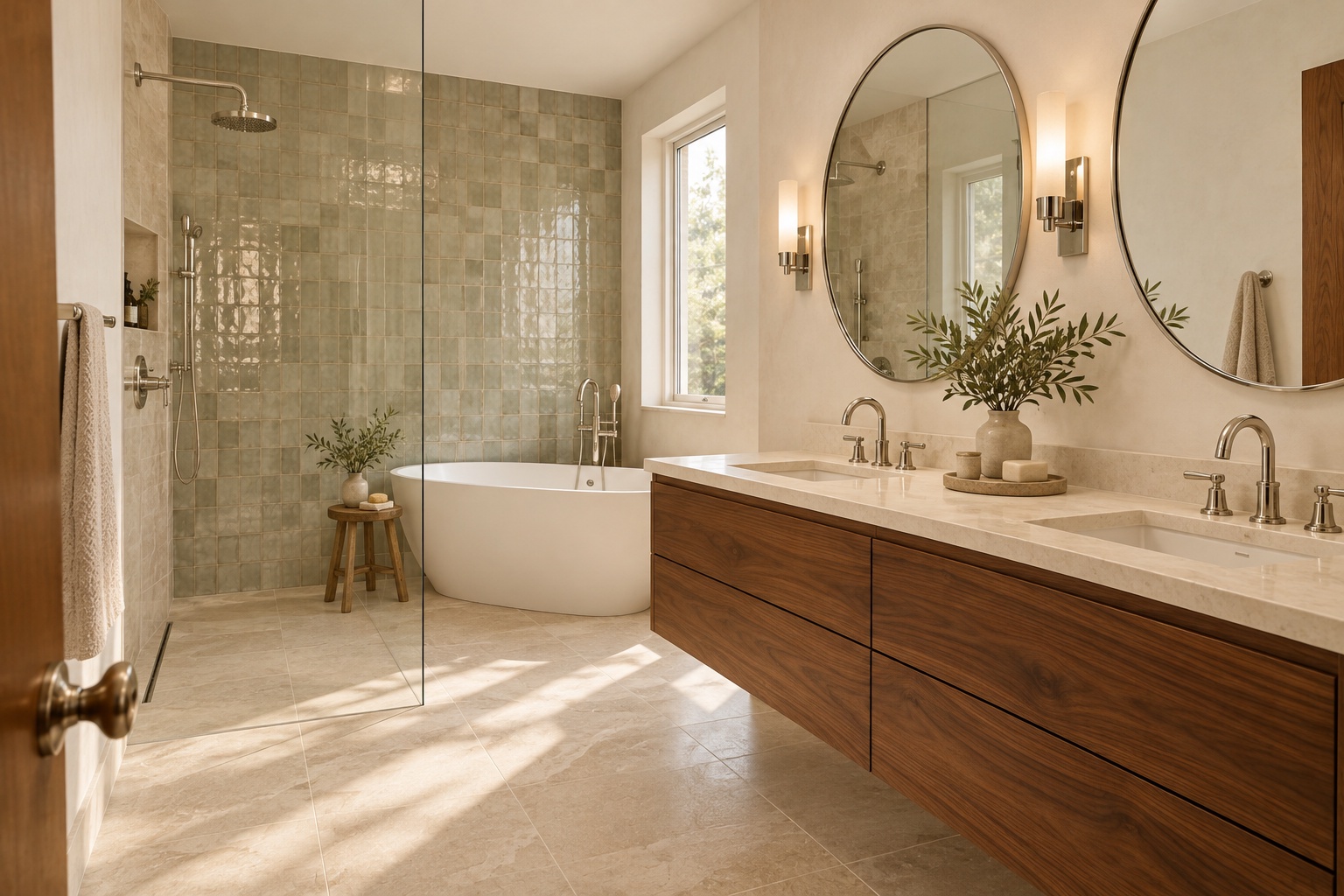
North Raleigh

Traditional & transitional

End among the cul-de-sacs of North Raleigh, where the city grew fastest. These homes are now 25 to 45 years old — right when roofs, HVAC, windows and baths come due.

Typical remodels here

Primary baths, kitchen refreshes, screened porches and finishing bonus rooms.

Live in one of these neighborhoods?

Start with the permit guide — especially if your home is in a historic district.