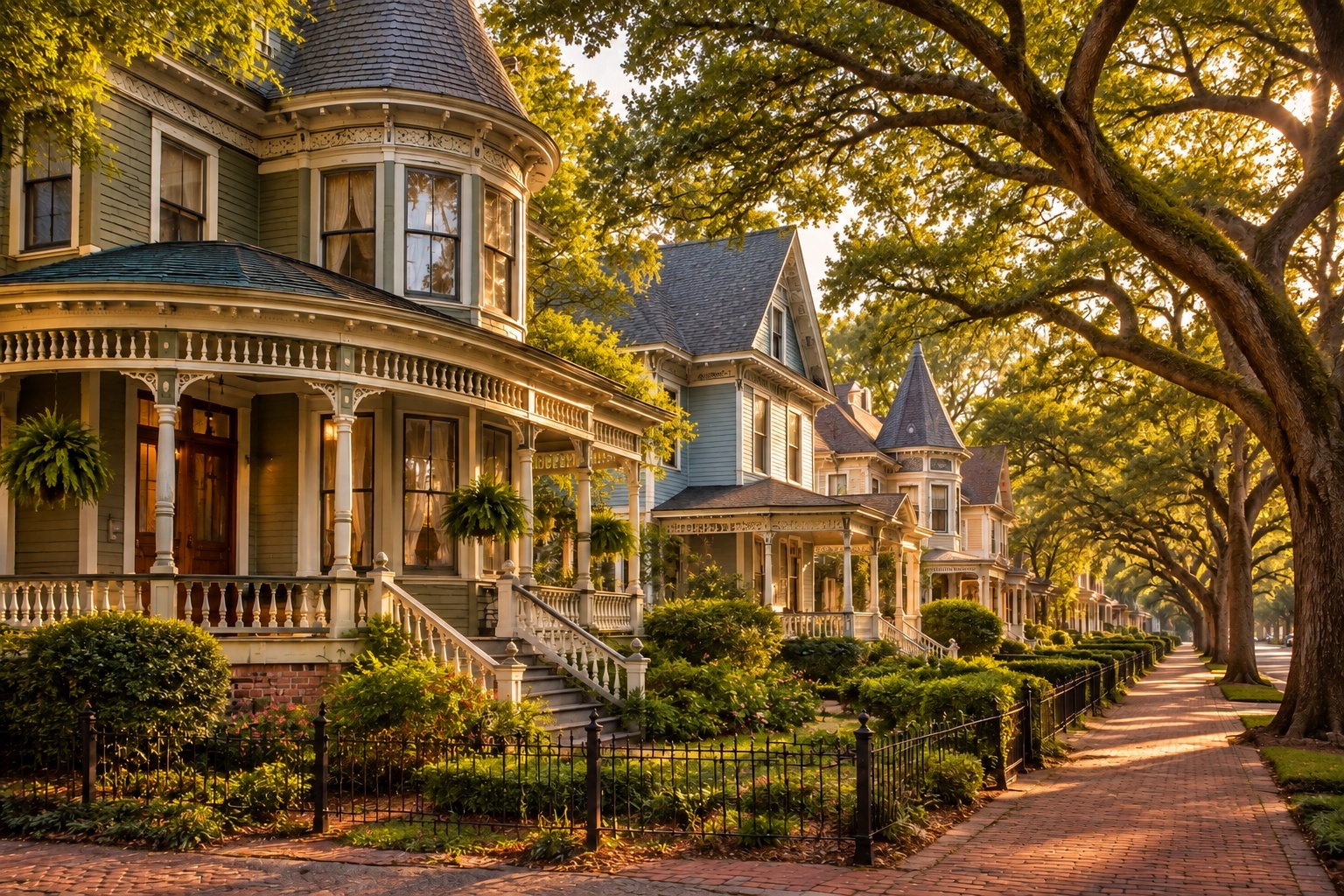
Historic Oakwood · Raleigh, North Carolina
Raleigh's best homes are already here.
A guide to renovating the City of Oaks — its Victorians, bungalows and ranches — with honest costs, clear permit steps and the North Carolina laws that protect you.
Transformation No. 1
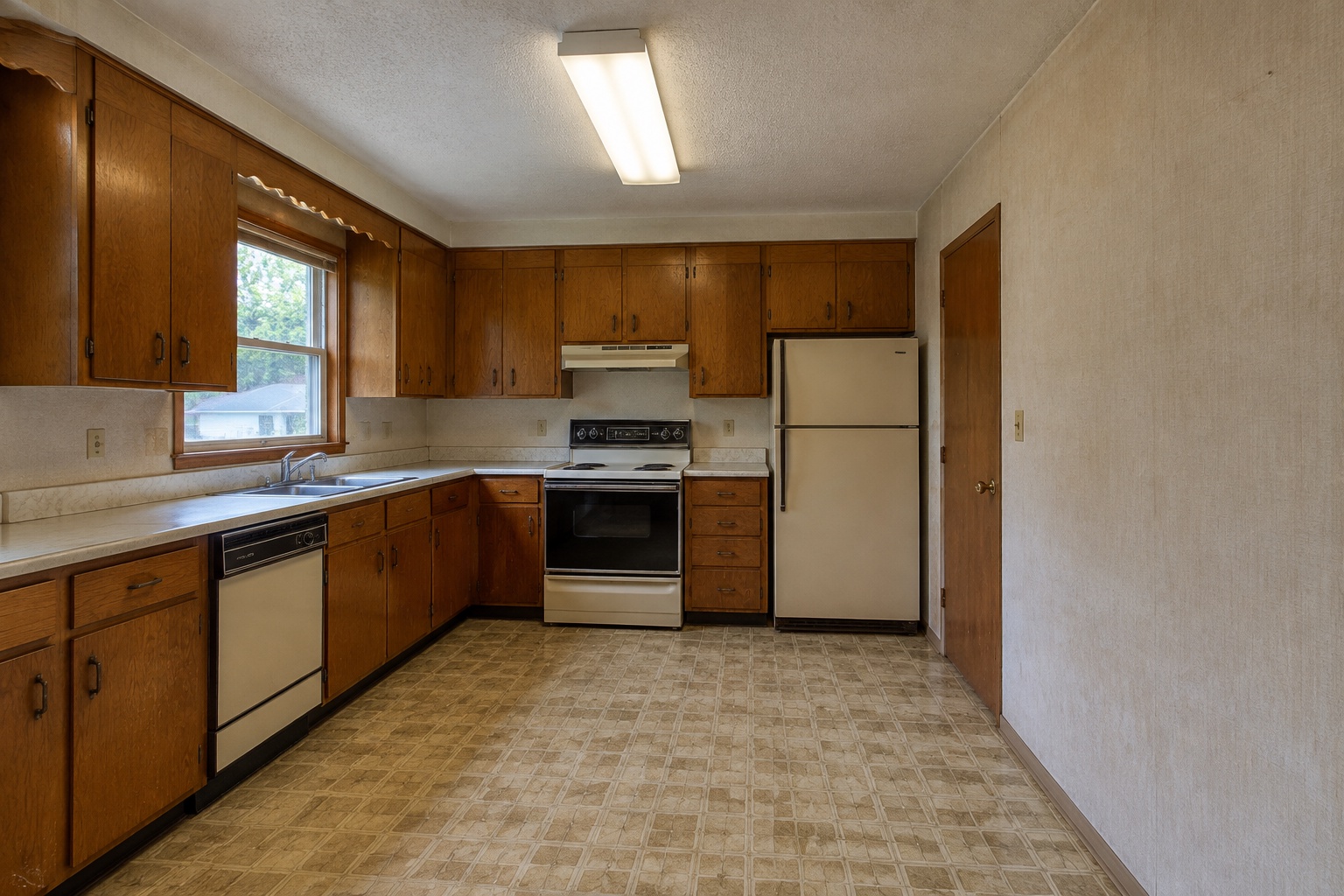
The Kitchen
A 1962 ranch off Lassiter Mill Road
Mid-century ranches in North Hills and Lakewood were built with closed galley kitchens. Opening a non-structural wall — or adding a beam where it is load-bearing — is the single most transformative change in these homes.
View all four transformations →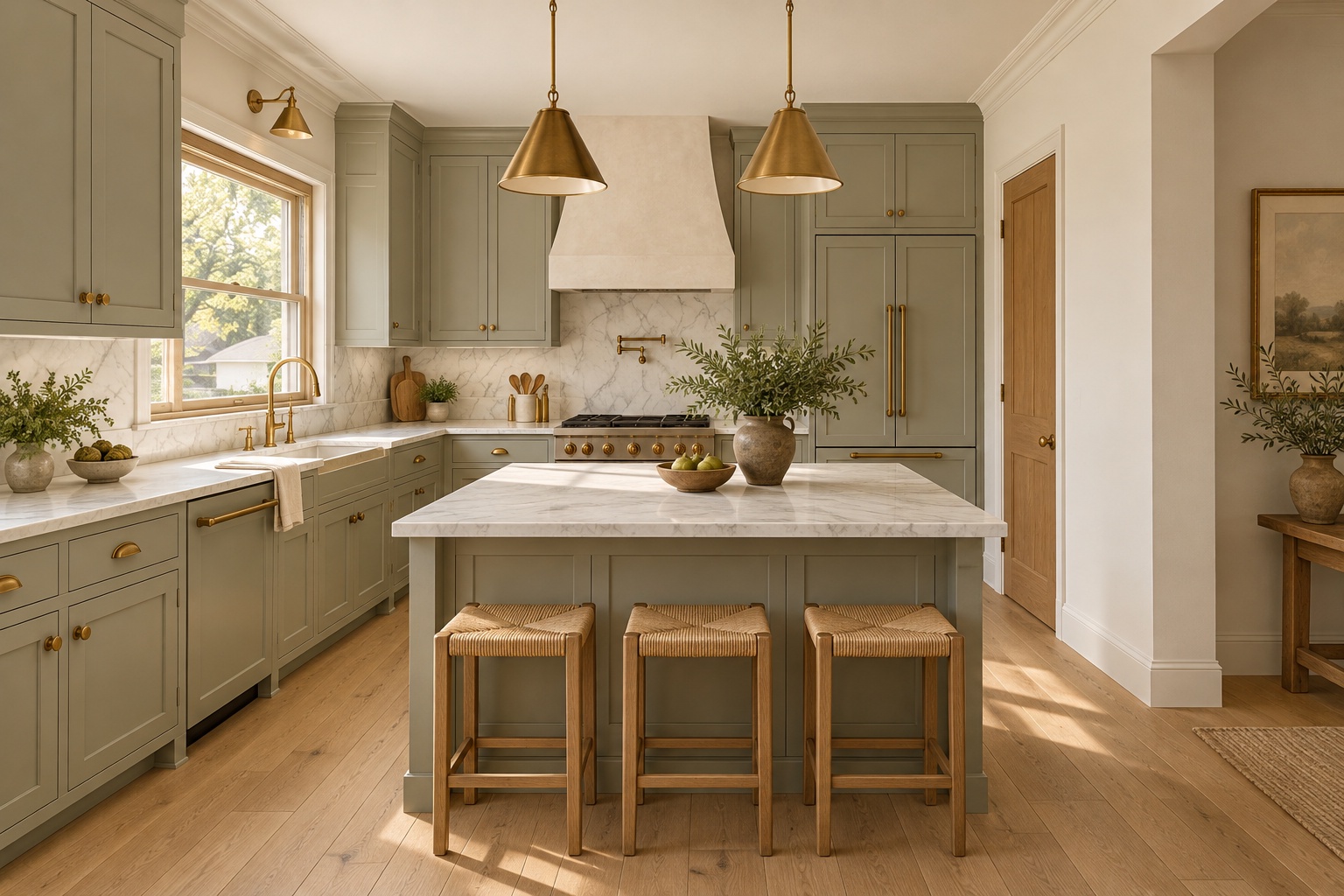
By the numbers
Buying an older home and remodeling it isn't a compromise. It's the norm.
~40 yrs
Approximate median age of an owner-occupied U.S. home, per Census data. Most Americans live in a home older than they are.
1792
Raleigh was founded as a planned capital; its oldest neighborhoods ring the original city plan.
1949
Cameron Village opened — one of the first shopping centers in the Southeast, ringed by postwar homes now prime for renovation.
25–45
Age in years of North Raleigh's 1980s–2000s homes — exactly when roofs, HVAC, windows and baths come due.
A walk through Raleigh
Six neighborhoods, a century and a half of houses.
Stop I · 1870s – 1910s
Historic Oakwood
Queen Anne & Second Empire Victorians
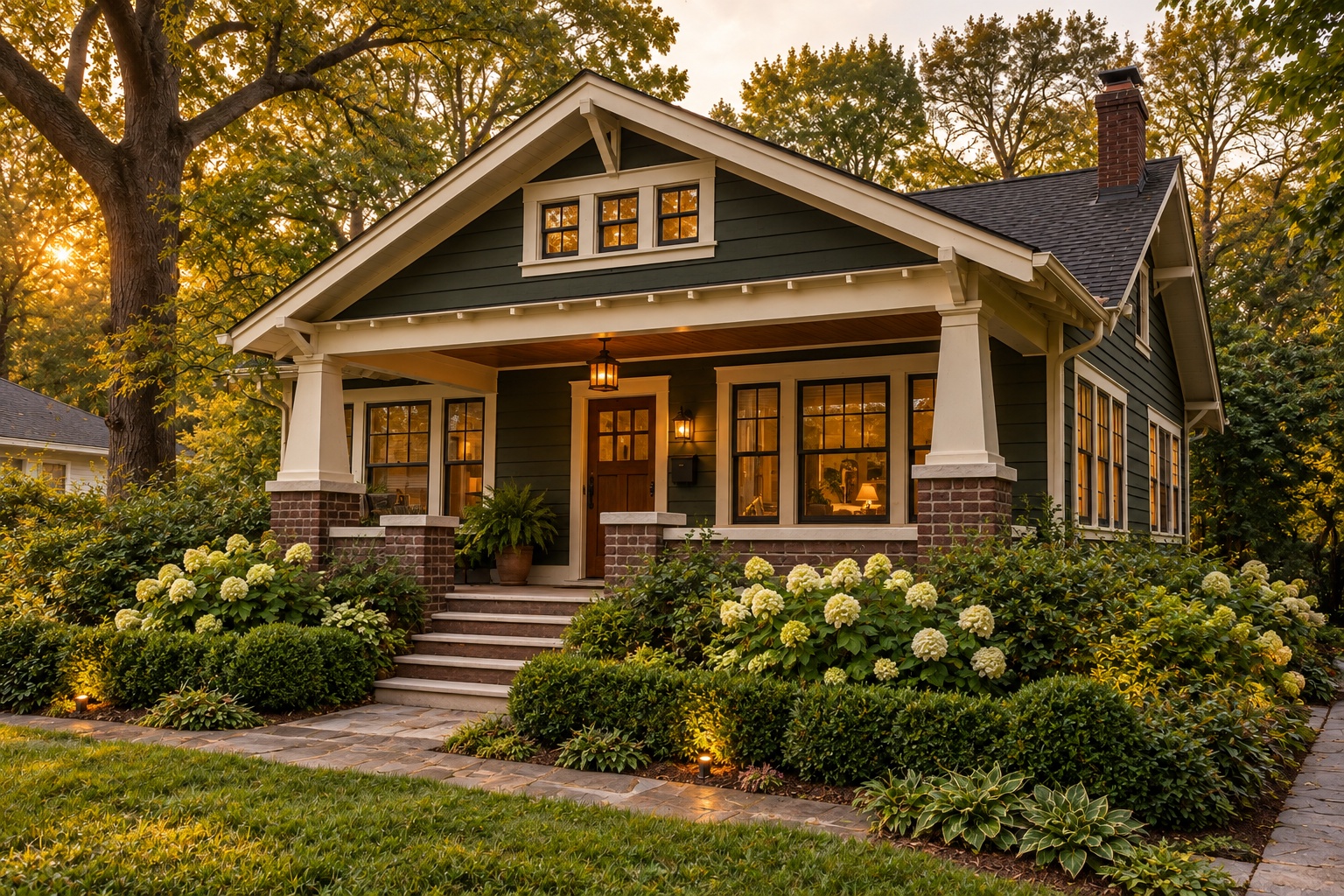
Stop II · 1907 – 1930s
Boylan Heights
Craftsman bungalows & Foursquares
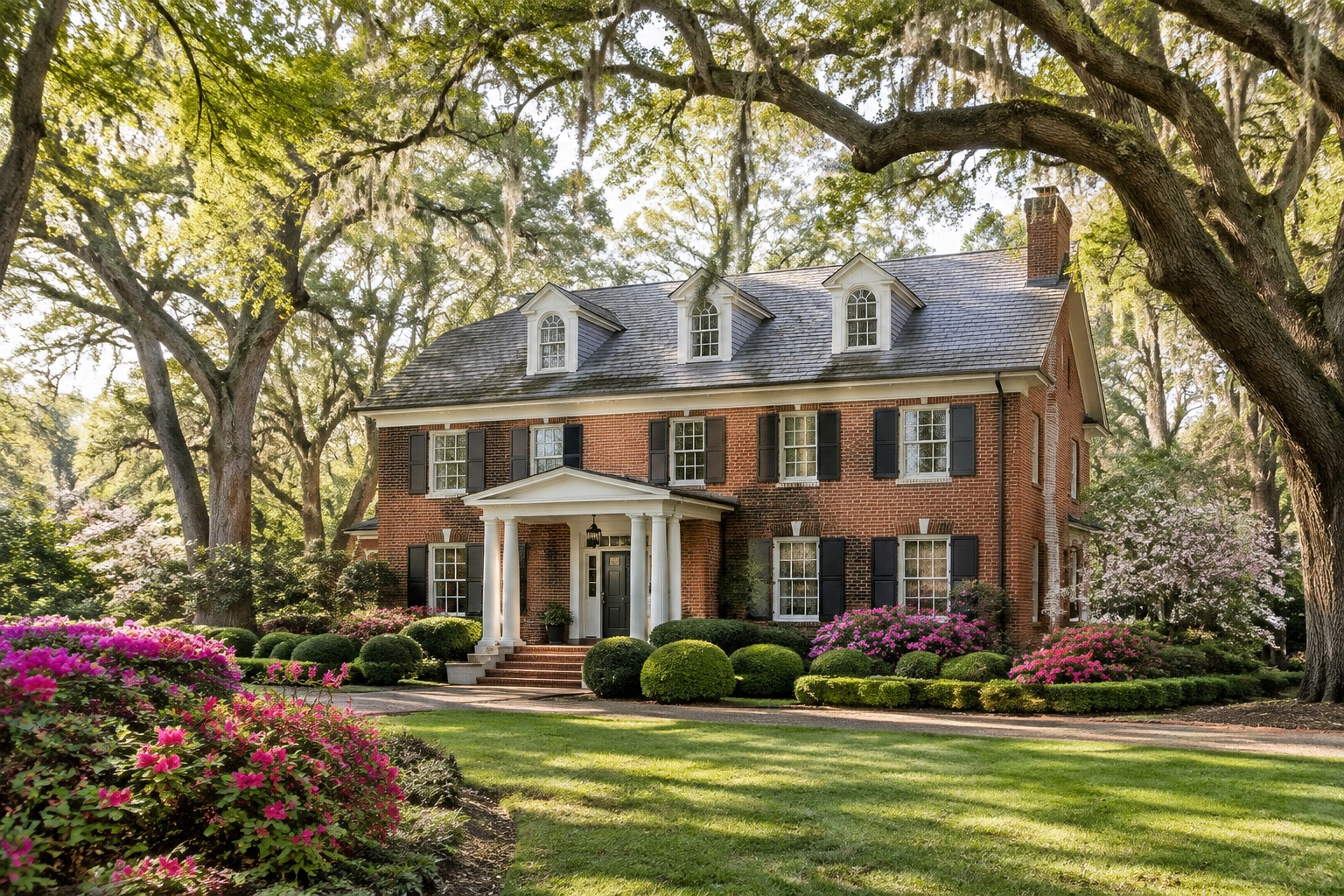
Stop III · 1920s – 1940s
Hayes Barton & Five Points
Colonial Revival, Tudor & cottages
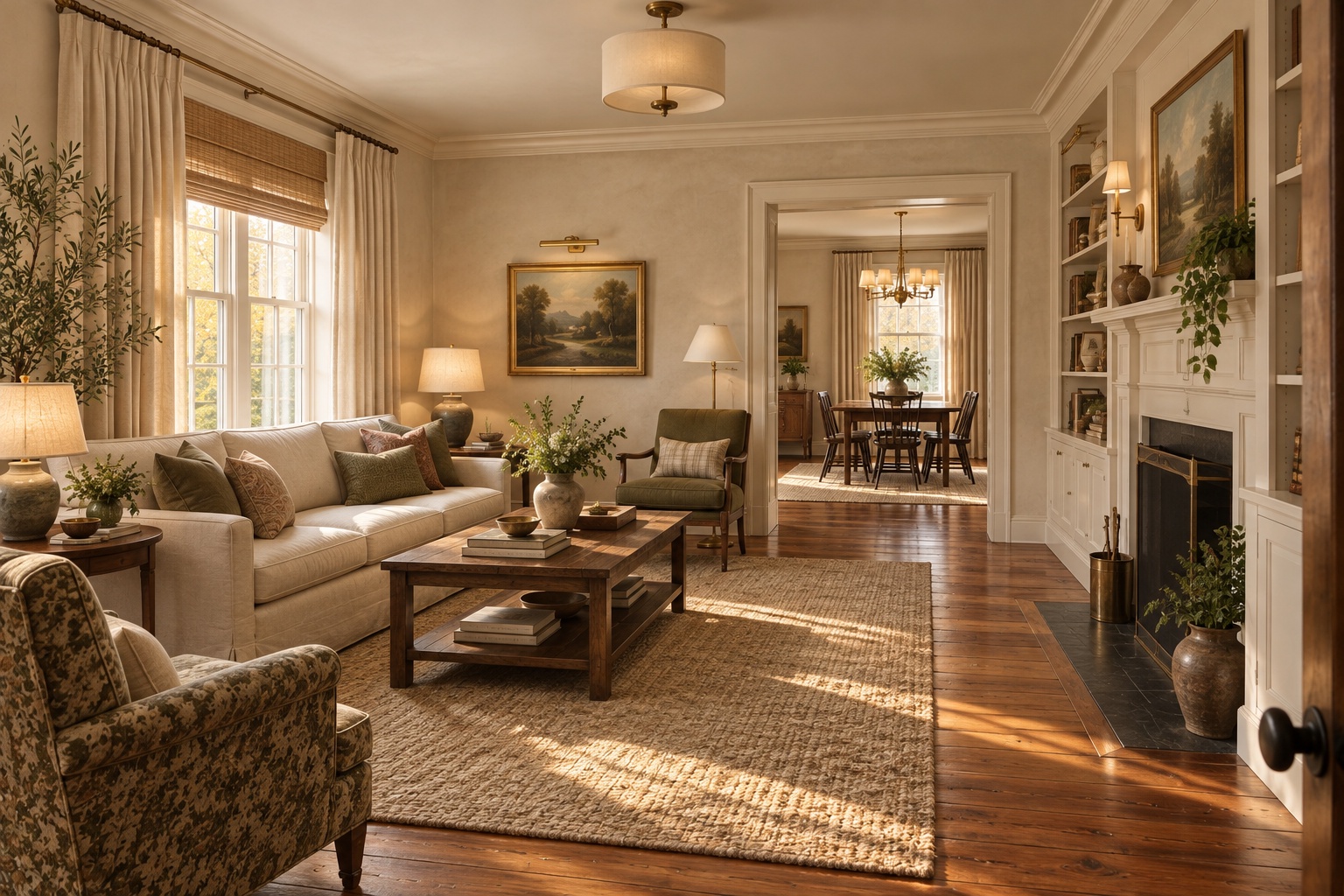
Stop IV · 1910s – 1950s
Cameron Park & the Village
Bungalows to postwar cottages
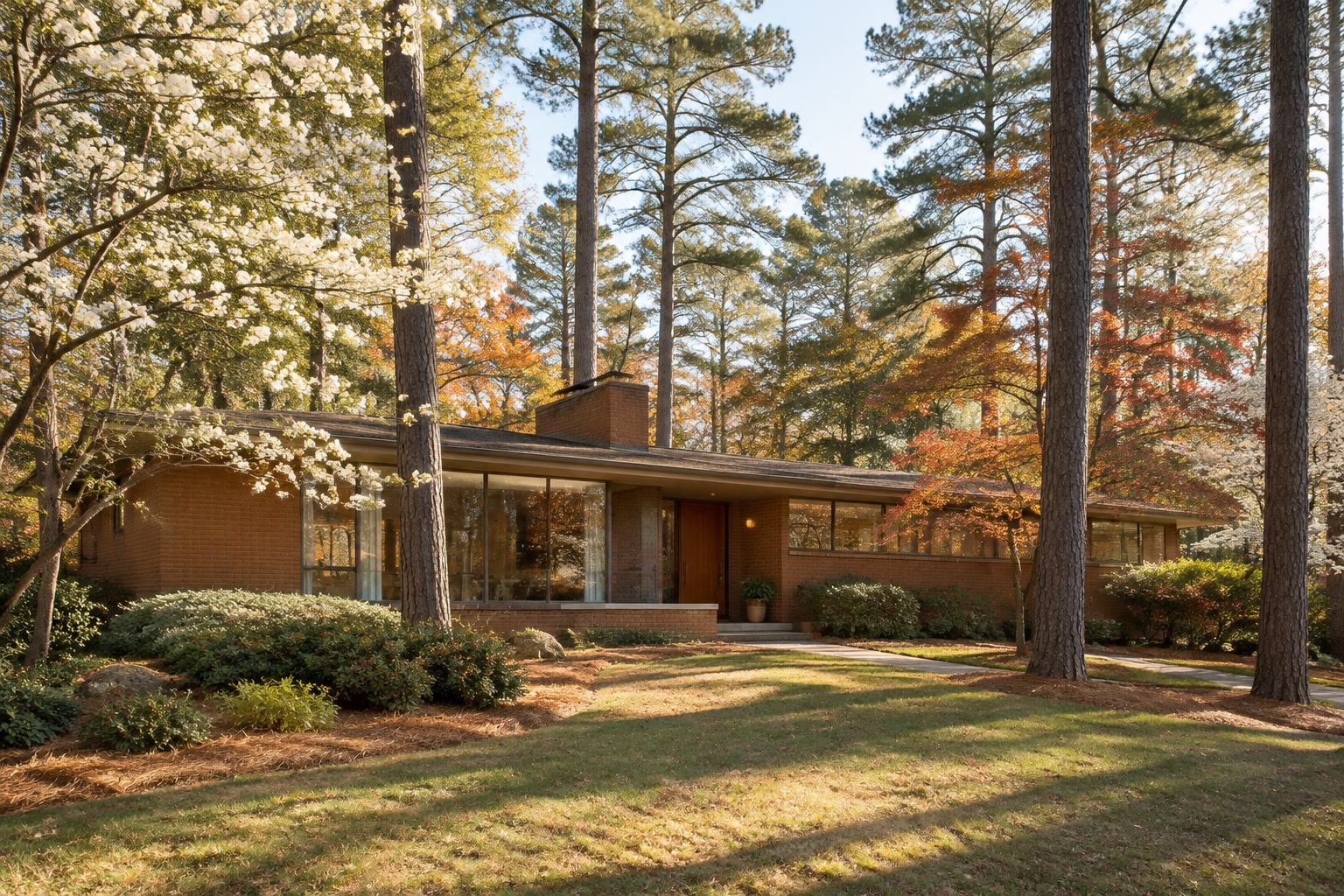
Stop V · 1950s – 1970s
North Hills & Lakewood
Mid-century ranches & split-levels
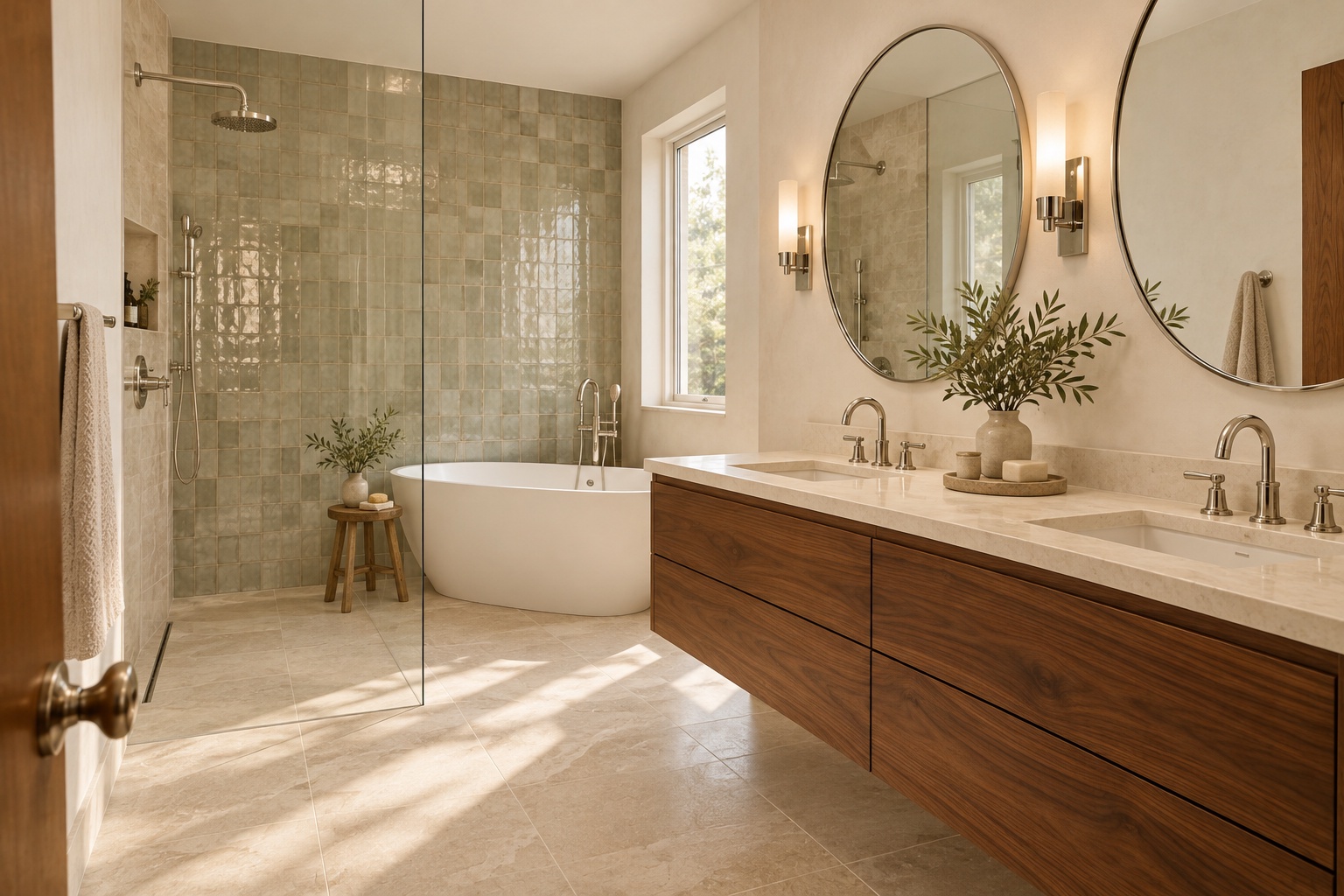
Stop VI · 1980s – 2000s
North Raleigh
Traditional & transitional
Why Raleigh homeowners remodel instead of building new
Location you can't build
Walkable streets, mature willow oaks and short commutes to downtown exist only in established neighborhoods. New construction mostly happens at the edges of the county.
Materials you can't buy
Old-growth heart pine, true-dimension lumber and three-coat plaster outlast much of what is installed today.
Character that holds value
Restored historic and mid-century homes consistently attract buyers who want something that feels rooted.
A greener choice
Reusing a structure avoids the carbon of demolition and new framing, foundations and concrete.